Manufacturing

Produce better, faster, at the right cost

Tight deadlines, machines to keep busy, materials to save, quotes to get right: manufacturers juggle dozens of constraints to stay competitive. Cosling designs custom optimization algorithms that address these real-world challenges.


Planning & Scheduling for Production

Your planners spend hours fitting work orders, juggling priorities, and adjusting schedules by hand. Our algorithms do this in seconds, considering all your constraints at once.

Planning

Tactical Planning: production plan over several weeks/months with load leveling. Identify bottlenecks and slack periods to guide sales efforts. Anticipate delays early enough to find solutions (negotiation, reallocation, subcontracting, etc.).
Scheduling

Workshop Scheduling: optimal task assignment to machines considering setup times. Optimized sequencing to maximize productivity and minimize delays.
Scheduling

Dynamic Rescheduling: automatic real-time schedule recalculation to absorb disruptions (breakdowns, supply shortages, rush orders) and secure delivery deadlines.


Our algorithms take into account your constraints:


Our Advanced Planning and Scheduling solutions integrate seamlessly into your ecosystem (ERP, MES, MRP) and optimize scheduling from high-volume manufacturing to configurable products built on standard routings.
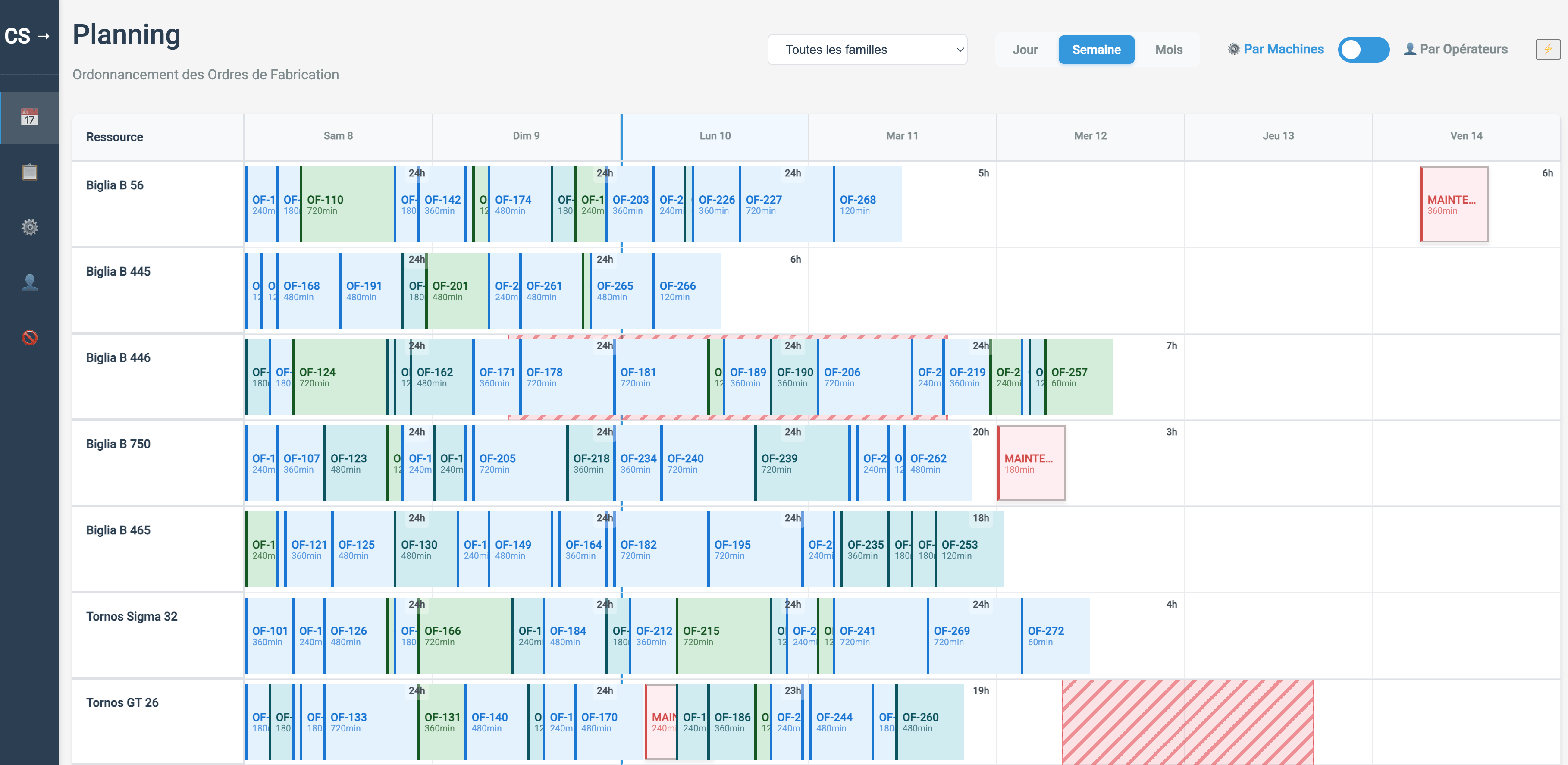
APS Starter - Lightweight and extensible APS solution


Cutting Plan Optimization

Reduce waste, increase your useful production

Every day, your teams must decide how to cut available material to fulfill orders: which formats to run, in which order, and with which combinations to avoid discarding good material. Cosling automatically calculates the best cutting and scheduling strategies for panels, bars, or rolls. Result: less waste, fewer changeovers, and more useful production from the same resources. These optimizations rely on advanced cutting stock problem models, adapted to the real constraints of your machines and production.

Cutting plan

1D Cutting: metal bars, boards, tubes, cables, profiles

Cutting plan

2D Sheet Cutting: wood, metal, glass, fabric

Cutting plan

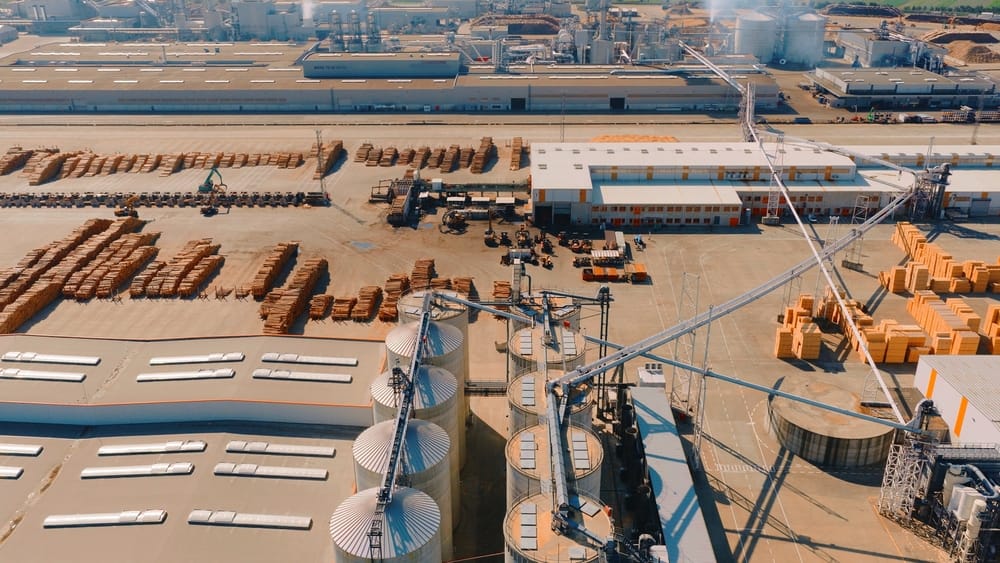
Log Sawing in sawmills with heartwood and slab product recovery

Cutting plan

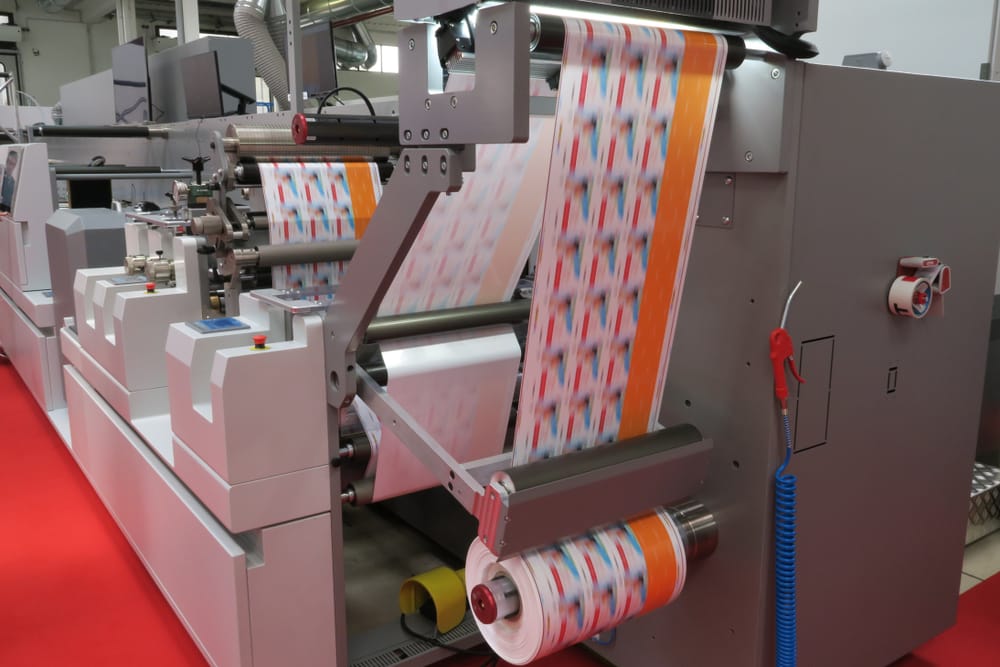
Rotary Die Cutting: paper, labels, fabric, leather

Wood & Panel Cutting Optimization

Optimize log and board sawing, as well as cutting of wood panels, plywood, MDF, or other sheet materials. Our algorithms generate sawing plans that minimize waste while respecting your constraints:

  • Geometric constraints: log length and diameter, panel dimensions, grain orientation, forbidden zones
  • Cutting constraints: kerf width, oversize, guillotine or free cuts
  • Logistics constraints: available stock, raw material diversity, grouping by type, thickness, or diameter
  • Objectives: minimize material waste, minimize machine setup times
Sawmill

The Cosling difference

We optimize cutting and scheduling simultaneously: the cutting plan accounts for delivery priorities, production run sequencing, and machine load.


Your Benefits

Savings

Waste Reduction: raw material savings of 5% to 15% depending on the case

Speed

Time Savings: cutting plans generated in seconds vs. hours of manual calculation

System integration

Traceability: digitized cutting plans integrable into your systems (ERP, MES, etc.)

Flexibility

Flexibility: instant adaptation to order modifications or available stock


Automated Cost Estimation


Get accurate quotes through detailed modeling of your production process

Not all orders yield the same material efficiency or productivity. Calculating a reliable cost price requires taking into account all production parameters: machining times, tool changes, machine settings, production rates, scrap rates... We precisely model these parameters using constraint programming and the Cosling configurator, to produce accurate and consistent cost estimates.


How does it work?

The Cosling configurator allows you to formally describe production rules as constraints. From a customer request (part, material, quantity, finishes), the system automatically determines:

  • The appropriate manufacturing routing: operation sequence, required machines, necessary tooling
  • Production times: unit times, setup times, tool change times, calibration times
  • Associated costs: machine cost, labor cost, material cost, consumable cost
  • Constraint-related surcharges: special operations, certifications, quality controls, surface treatments

Once modeling is complete, we deploy the configurator as a microservice queried via API by your ERP to streamline quote creation.


Industrial production line

Benefits of constraint-based costing

Precision

Accuracy: the cost price reflects production reality, not an averaged estimate

Speed

Speed: an accurate quote in seconds, even for complex parts or unusual configurations

Consistency

Consistency: business rules are centralized and uniformly applied, eliminating human errors

Explainability

Explainability: each cost component is detailed and justifiable to the customer

Learn more about the Cosling configurator


Our Approach


Modeling

Your rules, not ours

No generic software to configure for months. We start from your routings, your machines, your actual constraints to build an optimization model that mirrors your shop floor as it really works.

Algorithms

Proven results

Our algorithms rely on constraint programming and operations research. The same techniques that optimize the world's largest supply chains, adapted to your scale.

System integration

Plugged into your tools

The optimizer integrates with your existing ERP, MES, or MRP system. No double entry: data flows automatically and results are published where your teams need them.

Support

We stay by your side

Your products evolve, your constraints too. We handle maintenance, model updates, and technical support so the solution stays performant over time.